


Brass Machining for Precision Components and Custom Parts
September 28, 2026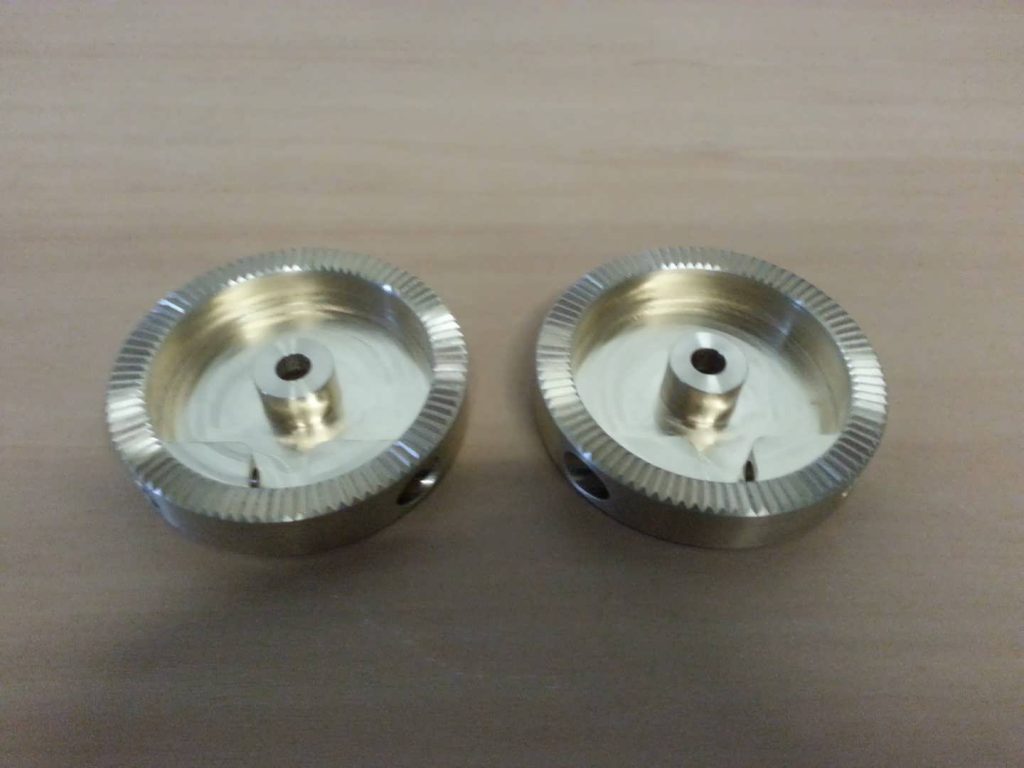
Gunna Engineering provides brass machining in Melbourne for low-to-medium batch components made to supplied drawings and specifications.
Brass machining can be practical for turned or milled parts, but the correct alloy and process depend on the component’s function. We assess the drawing, material specification, tolerances, quantity and required features before confirming a manufacturing approach.
Why Choose Brass for Machined Components?
“Brass” describes a family of copper-zinc alloys rather than one material with identical properties. Alloy composition and temper can affect machinability, strength, corrosion behaviour, conductivity and suitability for the operating environment.
Australian technical data for C35330 dezincification-resistant machining brass, for example, lists specific machining, corrosion and application characteristics. It also warns against relying on general recommendations without further investigation. Material selection must be tied to the service conditions, not a vague claim that brass provides maximum durability.
Brass may be assessed for components such as:
- Threaded parts: Turned or milled features can be produced to the dimensions and thread specification shown on the drawing.
- Bushes and spacers: Geometry, fits, clearances and mating components must be defined before production.
- Fittings and connectors: Alloy compatibility, pressure, fluid exposure and any applicable approval requirements need separate confirmation.
- Electrical parts: Conductivity requirements, connection details and the nominated brass grade should be documented.
- Replacement components: A drawing or reliable sample can help define an older part that is no longer readily available.
These are possible applications, not confirmation that every brass grade suits each one.
Which Machining Process Suits the Part?
CNC turning generally suits round components produced from bar, including parts with diameters, shoulders, bores and external or internal threads. Our CNC turning equipment has a stated bar capacity of 65 mm and a bar-feeder magazine for batch work.
CNC milling suits prismatic shapes, faces, pockets and hole patterns. Our general engineering capabilities include milling with 1000 × 600 × 600 mm travel, a 24-station tool changer and CAD/CAM support. Some components may require both turning and milling, while geometry or tolerance requirements may change the practical production method.
We also provide surface grinding and EDM spark eroding, but these processes are not automatically required for a brass component. We select operations according to the supplied specifications and the work our equipment can perform.
What Should a Brass Machining Enquiry Include?
A useful enquiry gives us enough information to assess material, setup and production requirements. Send:
- a dimensioned drawing with revision number
- the exact brass alloy and material form
- critical tolerances, fits and thread details
- surface-finish or coating requirements
- quantity required now and likely repeat quantities
- inspection or documentation requirements
- mating-part or service information where relevant
- the requested completion date.
If the grade is unknown, state the component’s function and operating exposure, but obtain design or engineering advice where material selection is safety critical. Our article about batch manufacturing for custom metal components provides more detail on planning low-to-medium production runs.
Confirm Your Brass Machining Requirements with Gunna Engineering
Our general engineering service produces components from brass and other listed materials to customer specifications. We do not claim that material choice alone guarantees fit, durability or performance.
For a brass machining quote, send us your drawing, alloy, quantity and required date. Contact Gunna Engineering so we can review the component against our CNC turning, milling and general engineering capabilities and clarify any missing production information.